

Renaissance logo

Renaissance Africa Energy Company Modernizes Workforce Access, Security Operations, and Enterprise Intelligence with Azure Virtual Desktop, Microsoft Sentinel, and Azure AI

Delivering a secure, AI-enabled Azure platform combining virtual desktops, unified security operations, and intelligent data services to transform remote work, cyber defense, and operational decision-making across oil and gas operations

Renaissance Africa Energy Company Case study — Challenge, Solution, and Impact

Workforce Productivity Fragmented Security Visibility Limited Data Insights

RAEC faced significant hurdles with unstable remote access, siloed security monitoring, and an inability to leverage operational data for timely decision-making across its oil and gas assets.

Azure Virtual Desktop Unified Security Operations AI-Enabled Intelligence

Reliance Infosystems deployed a unified, AI-enabled Azure platform that modernized secure remote workspaces, centralized cybersecurity monitoring, and introduced intelligent automation for operational intelligence..

The Solution

The engagement delivered a secure, AI-enabled Azure platform that transformed remote work, cyber defense, and operational intelligence.


99.9%
VPN Disruption Reduction
55%
Security Alert Automation
12+
Data Sources Integrated for Unified Monitoringn
The Impact

100%

Virtualized Workspace Availability

< 20 Mins

Incident Detection Time

60%

Compute Efficiency Gain

25+

Automated Detection Rules

CASE STUDY overview

Microsoft Azure and AI-Powered Digital Transformation

Renaissance logo

Industry

Energy & Resources 

Category

Security 

Revenue (USD) 

$150,000 

Renaissance Africa Energy Company (RAEC) is an independent oil and gas operator in Nigeria with upstream exploration and production assets, midstream infrastructure, and energy trading operations. The company manages both enterprise IT systems and operational technology (OT) environments, including SCADA systems supporting critical energy operations across the Niger Delta.

To address workforce productivity challenges, fragmented security visibility, and limited data-driven decision-making capabilities, RAEC partnered with Reliance Infosystems to deliver a unified Microsoft cloud transformation spanning secure digital workspace, security operations, and AI-enabled enterprise intelligence.

The solution modernized remote access, centralized cybersecurity monitoring, and introduced intelligent automation capabilities within a governed Azure environment.

“By integrating Azure Virtual Desktop, Microsoft Sentinel, and advanced AI services, the solution established a unified, cloud-native foundation that transformed RAEC’s operational intelligence and security resilience across its critical energy assets.”

Partner Value and Expertise Reliance Infosystems

Azure Cloud Platform Capabilities Enabling Transformation

01 Azure Virtual Desktop (AVD) Foundation
02 Role-Based Workload Segmentation
03 Identity and Secure Access Management
04 Hybrid Connectivity and Networking
05 Security Operations and Threat Protection
06 Automated Detection and Response
07 Data and AI Platform Integration
08 Monitoring and Observability
Azure Virtual Desktop (AVD) Foundation
Virtual Desktop Infrastructure
Azure Virtual Desktop (AVD) Foundation

A secure, scalable virtual desktop environment was deployed to replace legacy VPN-based access, enabling remote and hybrid users to securely access enterprise applications and engineering tools.
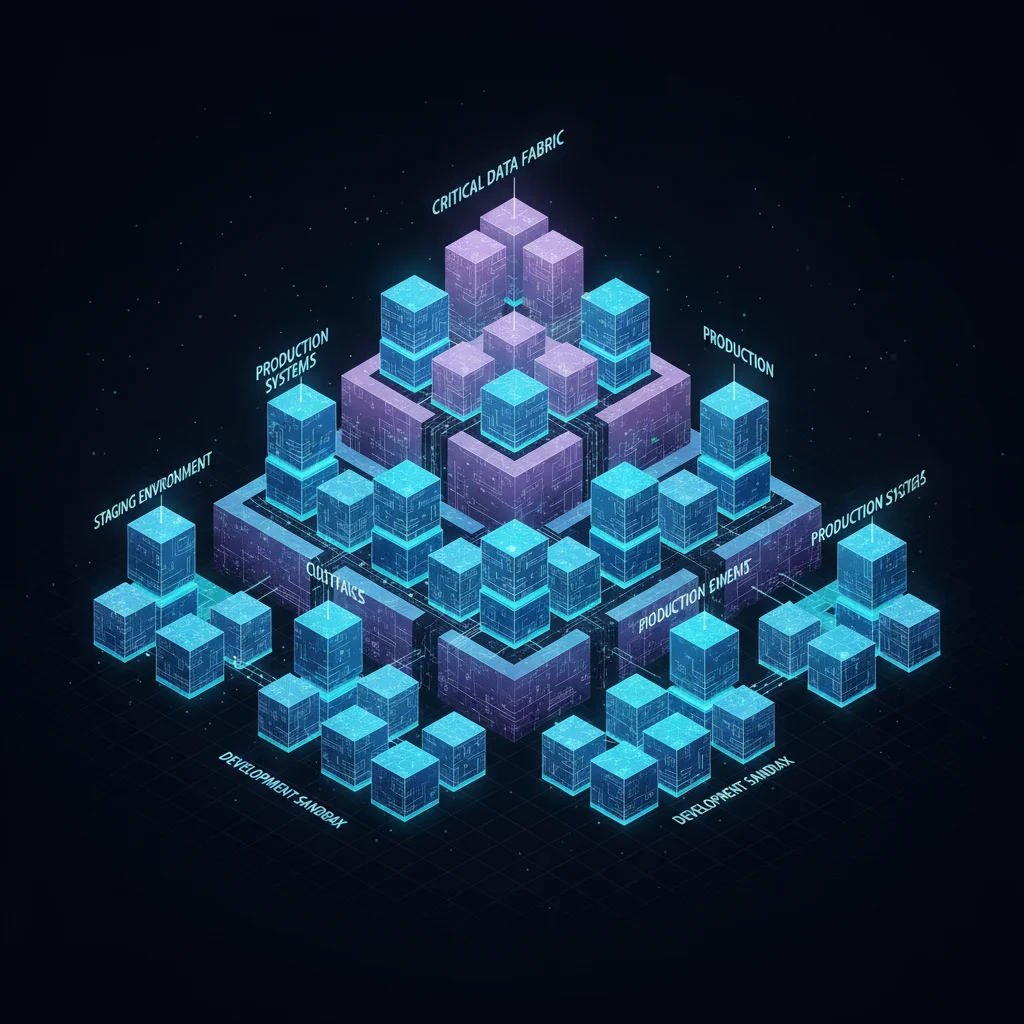
Role-Based Workload Segmentation

Three dedicated host pools (AVD-IT, AVD-RDTAO, AVD-TPA-RDP) were implemented across 30 multi-session virtual machines to optimize performance and cost efficiency.
Identity and Secure Access Management
Identity & Access Management
Identity and Secure Access Management

Microsoft Entra ID and FSLogix profile containers enabled secure authentication, persistent user profiles, and seamless user experience across sessions.
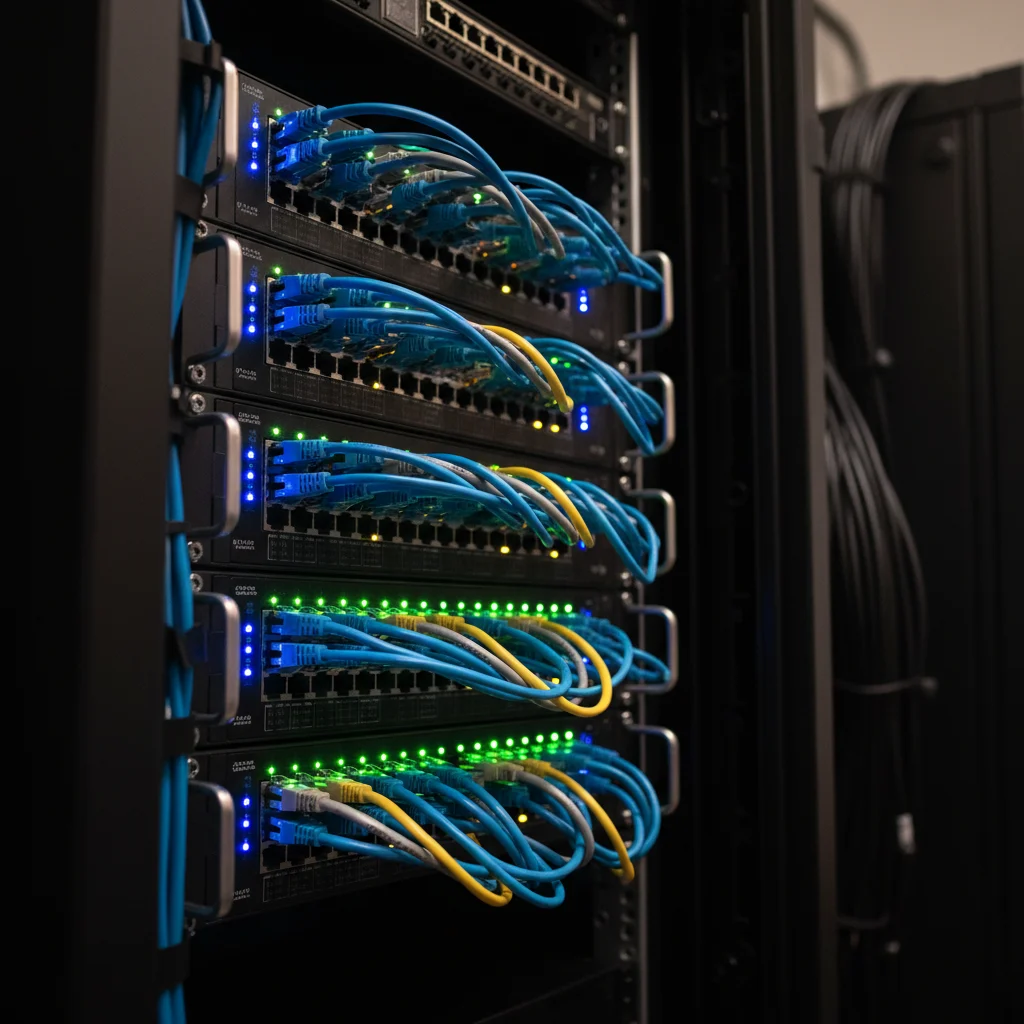
Hybrid Connectivity and Networking
Hybrid Connectivity
Hybrid Connectivity and Networking

Azure Virtual Network and site-to-site VPN connectivity ensured secure integration between Azure and on-premises IT/OT environments.

Security Operations and Threat Protection
Security Operations & Threat Protection
Security Operations and Threat Protection

Microsoft Sentinel, Microsoft Defender for Endpoint, Microsoft 365 Defender, and Azure Arc enabled centralized security monitoring across IT and OT environments.

Automated Detection and Response
Automated Detection & Response
Automated Detection and Response

25+ KQL analytics rules and Azure Logic Apps playbooks enabled automated threat detection, alerting, and incident response workflows.

Data and AI Platform Integration
Data & AI Platform Integration
Data and AI Platform Integration

Microsoft Fabric, Azure OpenAI Service, Azure AI Foundry, and Azure Document Intelligence enabled AI-powered document processing, analytics, and contextual insights generation.

Monitoring and Observability
Monitoring & Observability
Monitoring and Observability

Azure Monitor and Log Analytics provided full-stack visibility across infrastructure, applications, security events, and user activity.


Enterprise Outcomes Enabled by Microsoft Azure and AI

Secure Digital Workforce Enablement

A fully virtualized workspace replaced unstable VPN-based access, enabling secure, anywhere access to enterprise systems.

Improved Security Visibility and Response

Centralized SIEM reduced threat detection time from over 48 hours to under 20 minutes.

AI-Enabled Operational Intelligence

Manual document processing was replaced with near-real-time AI-driven insights using Microsoft Fabric and Azure AI services.

Optimized Infrastructure Performance

Workload segmentation across AVD host pools improved compute efficiency by approximately 60%.

Enhanced Business Continuity

Centralized cloud-based access and monitoring strengthened operational resilience across distributed teams.

Business Impact

The transformation delivered significant measurable improvements:

100%

virtualized workspace availability across 30 AVD virtual machines

99.9%

reduction in VPN-related connectivity disruptions 

60%

improvement in compute efficiency through workload segmentation

25+

custom security detection rules implemented

over

12 data sources

integrated into unified security monitoring

55%

of routine security alerts automated via Logic Apps

Mean time to detect security incidents reduced from 48+ hours to under

20 minutes

8

critical hidden security issues identified and remediated early

Near

real-time

AI-driven document processing enabled via Microsoft Fabric and Azure OpenAI 

Approach and Delivery Methodology

Reliance Infosystems followed a structured Microsoft Cloud Adoption Framework-aligned approach:

01.

Discovery and Assessment

Evaluated application dependencies, user profiles, security posture, and infrastructure constraints.

02.

Data Foundation Build

Designed secure hub-and-spoke networking, AVD architecture, and unified security monitoring framework.

03.

Platform Deployment

Deployed Azure Virtual Desktop, Sentinel SIEM, and supporting Azure services across compute, identity, and networking.

04.

Security and Detection Engineering

Implemented analytics rules, playbooks, and automated response workflows using KQL and Logic Apps.

05.

AI and Data Enablement

Integrated Microsoft Fabric, Azure OpenAI, and Document Intelligence for intelligent automation.

06.

Operationalization and Handover

Conducted SOC training, monitoring validation, and full platform handover.

Microsoft Technologies Used:

Azure Virtual Desktop (AVD)

Azure Virtual Network

Azure Firewall  

Azure Compute Gallery

Azure Virtual Machines

Microsoft 365 Defender

FSLogix

Azure Storage

Azure VPN Gateway

Microsoft Sentinel

Microsoft Defender for Endpoint

Microsoft Entra ID

Azure Bot Service

Azure Monitor

Azure Document Intelligence

Microsoft Fabric

Azure Arc

Azure OpenAI Service

Azure AI Foundry

Log Analytics

Azure Logic Apps

How Microsoft Technologies Enabled the Outcome 

Azure Virtual Desktop replaced unstable VPN access with a secure, cloud-native workspace, improving reliability and user experience.

Microsoft Sentinel unified security visibility across IT and OT environments, enabling real-time threat detection and automated response.

Microsoft Defender and Entra ID strengthened identity, endpoint, and email protection across enterprise systems.

Azure Logic Apps automated incident response, reducing manual SOC workload.

Microsoft Fabric and Azure AI services transformed unstructured operational data into real-time insights and automated intelligence.

Azure Monitor ensured full observability across infrastructure, applications, and security layers.

Together, these technologies delivered a unified secure, intelligent, and scalable enterprise platform.

MICROSOFT TECH

Partner Value and Expertise

Reliance Infosystems delivered deep expertise in Azure infrastructure, security engineering, virtualization, and AI integration.

Key strengths included:

Azure Virtual Desktop architecture and optimization

Enterprise SIEM and SOC implementation using Microsoft Sentinel

Hybrid IT and OT security integration

FSLogix and virtual desktop performance engineering

AI integration using Microsoft Fabric and Azure OpenAI

Cloud Adoption Framework-aligned delivery methodology

Certified Microsoft engineers (SC-200, AZ-500, AZ-305)

Delivered under structured Microsoft security and cloud engineering frameworks, the solution ensured secure modernization without operational disruption.

partner value

Winner Summary

Renaissance Africa Energy Company partnered with Reliance Infosystems to implement a unified Azure Virtual Desktop, Microsoft Sentinel, and Azure AI platform that transformed workforce access, security operations, and enterprise intelligence. The solution eliminated VPN dependency, reduced threat detection time from hours to minutes, and introduced AI-powered automation for operational insights, delivering a secure, scalable, and intelligent digital foundation for energy operations.